4.9-Star Rated
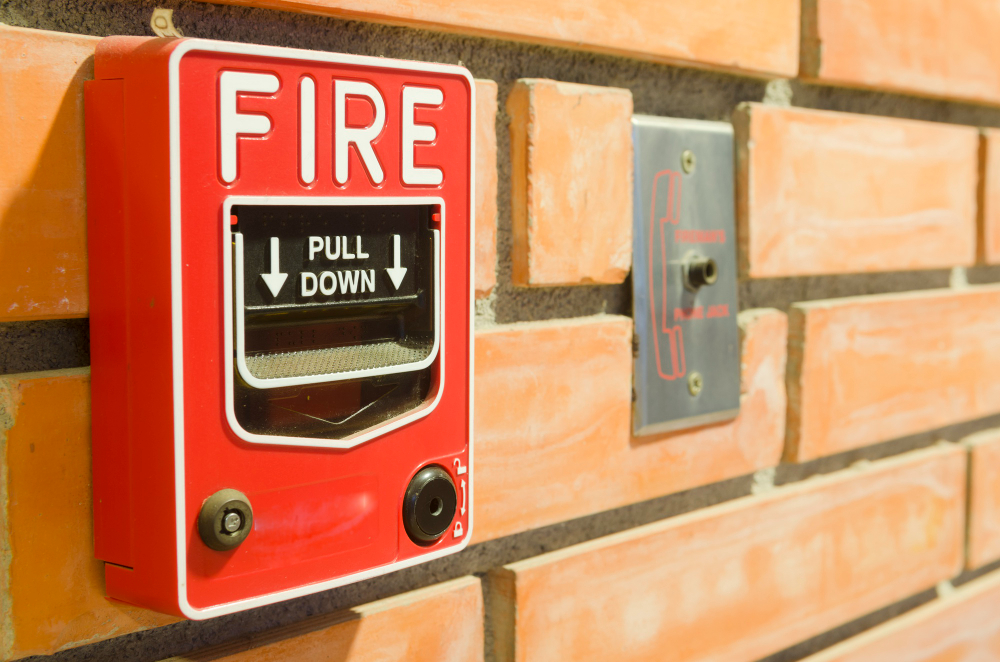
The fire alarm inspection benefits in Corning come down to one question: will your system actually work when it needs to? Fire alarms are the single most important early warning system in any building, residential or commercial, but an alarm that has not been inspected and tested is an alarm you are trusting on faith. And the data shows that faith is not enough.
According to the National Fire Protection Association, working smoke alarms reduce the risk of dying in a home fire by 60 percent. But roughly three out of five home fire deaths still occur in buildings with either no smoke alarms or no working smoke alarms. The gap between having alarms installed and having alarms that actually function is where inspections earn their value.
Corning's mix of older residential homes, historic downtown buildings, and commercial properties creates a range of fire alarm needs that share one thing in common: every system requires regular inspection and testing to remain reliable.
Whether you own a home on a residential street, a storefront on Market Street, or a rental property elsewhere in Steuben County, the fire alarm system protecting that building is only as good as its most recent verification.
This article covers what fire alarm inspections involve, why they matter for both homes and businesses, and how to build a testing schedule that keeps your system ready year-round.
In this article, you will learn about:
Keep reading to understand how routine fire alarm inspections protect lives, reduce liability, and ensure that the system you are counting on will perform when it counts.
Most homeowners and building owners assume their fire alarms work because they were working the last time they checked, or because the alarm has not been beeping to indicate a low battery. That assumption is the root of the problem. Fire alarm systems degrade over time in ways that are not obvious without testing, and the consequences of a non-functional alarm during a fire are severe and irreversible.
The research on this is clear, consistent, and worth understanding.
A comprehensive survey published by the U.S. Consumer Product Safety Commission in coordination with NIST found that 99 percent of U.S. households report having at least one smoke alarm. That number sounds reassuring until you look at the rest of the findings.
More than half of those households, 61 percent, test their smoke alarms less frequently than the recommended monthly interval. A full third, 33 percent, never test their smoke alarms at all. And nearly one in five households that believed all of their alarms were working had at least one functionality issue when the alarms were actually tested.
The NFPA puts the operational gap into sharper focus: 38 percent of home fire deaths occur in properties where no smoke alarms are present at all, and an additional share occur in homes where alarms are present but not functioning. The death rate per 1,000 reported fires is more than twice as high in homes without working smoke alarms compared to homes with them.
These are not statistics about homes that chose not to install alarms. They are statistics about homes where alarms were installed but failed to operate when they were needed most.
Fire alarm systems are not permanent devices. They are electronic instruments with components that degrade, sensors that lose calibration, batteries that expire, and connections that corrode. Without regular inspection and testing, these failure modes accumulate silently.
The most common reasons fire alarms fail to operate include:
The NFPA reports that hardwired smoke alarms operate 92 percent of the time during reported fires, while battery-powered alarms operate only 77 percent of the time. That 15-point gap underscores the importance of both proper installation and ongoing inspection, because even hardwired systems fail at a measurable rate without maintenance.
Corning's building stock includes a significant number of older residential and commercial structures. Homes built before the adoption of modern fire alarm codes may have been retrofitted with battery-powered smoke detectors at some point, but those retrofits are only as current as the last time someone checked them.
Older homes present specific challenges for fire alarm reliability:
Commercial buildings in Corning, including those in the downtown district and along the main corridors, face additional requirements under fire code that mandate not just the presence of alarms but their regular professional inspection. Properties that fall out of compliance with these requirements face both safety risks and regulatory consequences.
For properties across the broader area, including Watkins Glen, Big Flats, and Elmira, the same aging-building dynamics apply.
A professional fire alarm inspection goes well beyond pressing the test button on a smoke detector. It is a systematic evaluation of every component in the system, from the sensing devices to the notification appliances to the wiring and power supply that connect them. The goal is to verify that the entire system will detect a fire, sound an alarm, and alert occupants with enough time to evacuate safely.
Understanding what the inspection includes helps you see why it catches problems that monthly self-testing does not.
The core of any fire alarm inspection is functional testing of the detectors themselves. For smoke detectors, this means introducing a controlled stimulus, either test aerosol or simulated smoke, to verify that the sensor detects the presence of particles and triggers the alarm within the expected response time.
This is fundamentally different from pressing the test button on a smoke detector, which only verifies that the alarm's horn and battery circuit are functional. It does not confirm that the sensor is actually capable of detecting smoke. A detector with a dust-clogged sensor can pass the button test while being completely unable to respond to a real fire.
Heat detectors are tested differently, using calibrated heat sources to verify that the fixed-temperature or rate-of-rise element responds within its design parameters. Manual pull stations in commercial buildings are tested to confirm they send a signal to the control panel and activate the notification sequence.
According to the NFPA 72 standard, smoke detector sensitivity should be checked within one year after installation and at minimum every two years thereafter. Detectors found to be operating outside their listed sensitivity range must be cleaned and recalibrated or replaced.
A fire alarm system is only effective if it is positioned to detect a fire where one is most likely to start or spread. Code requirements for detector placement have evolved significantly over the decades, and older installations may not meet current standards.
During an inspection, a qualified technician evaluates whether detectors are installed in every required location:
The technician also checks whether the alarms are interconnected, meaning that when one detector activates, all detectors in the building sound simultaneously. Interconnection is critical in multi-story homes because a fire starting in the basement produces smoke that may not reach a second-floor bedroom detector quickly enough without the first-floor alarm triggering the entire network.
In homes without hardwired interconnection, wireless interconnected detectors offer a retrofit solution that a licensed electrician can install without running new wiring through finished walls.
Every fire alarm system depends on a reliable power supply. Hardwired systems draw power from the building's electrical system and include battery backup to maintain protection during a power outage. Battery-only systems depend entirely on the battery for both detection and alarm function.
A professional inspection verifies that hardwired systems are receiving proper voltage from the circuit, that connections are secure and free of corrosion, and that the backup battery is charged and capable of powering the system for the required duration during a power loss. For battery-only detectors, the inspection confirms battery condition and estimates remaining useful life.
Battery failure accounts for a disproportionate share of alarm non-operation events. The NFPA found that in fires where smoke alarms were present but did not operate, roughly half had missing or disconnected batteries. In many of those cases, the battery had been removed to stop a nuisance alarm and was never replaced, a problem that professional inspection and homeowner education can address directly.
In commercial buildings with monitored fire alarm systems, the inspection extends to every notification device, including horns, strobes, and speaker systems, as well as the main control panel and any remote annunciators.
The technician verifies that notification devices produce adequate sound levels and visual alerts throughout the building, that the control panel displays correct system status and responds properly to alarm signals, and that any off-premises monitoring connection, such as a central station link, transmits signals correctly.
For residential systems, the notification component is typically the alarm horn built into each detector, but homes with integrated security systems or hardwired fire alarm systems may have separate notification devices that also require testing.
Control panel batteries in commercial systems typically last three to five years under normal conditions but need annual verification to confirm they are holding a charge and will sustain the system during a power outage.
For homeowners in Corning, fire alarm inspections deliver benefits that are both practical and potentially life-saving. The system you are counting on to wake your family in the middle of the night and give you time to escape is worth verifying on a regular basis.
The stakes are high, the testing is straightforward, and the cost of an inspection is negligible compared to what it protects.
The fundamental purpose of a fire alarm is to buy time. According to the NFPA, a residential fire can become unsurvivable in as little as two to three minutes once a room reaches flashover. That is an extraordinarily short window, and every second of early warning matters.
A properly functioning smoke detector sounds an alarm at the earliest stage of combustion, when smoke concentration is still low and the fire is small. That early detection gives occupants time to wake up, orient themselves, execute their escape plan, and get out of the building before conditions become untenable.
A detector that has lost sensitivity due to dust, age, or contamination may not activate until the fire has grown significantly, cutting the escape window to seconds or eliminating it entirely. A detector with a dead battery provides no warning at all. Regular inspection ensures that the devices standing between your family and a fire are capable of doing their job.
Many homeowners insurance policies either require or offer premium discounts for homes with properly maintained fire alarm systems. Hardwired, interconnected smoke detectors with documented testing history demonstrate a lower risk profile, and insurance carriers recognize that with better rates.
From a code standpoint, New York State requires smoke alarms in residential properties. The specific requirements for placement, type, and interconnection have evolved over time, and an inspection can identify whether your home meets current standards or whether upgrades are needed to bring it into compliance.
If you are selling a home in Corning, a documented fire alarm inspection and any needed upgrades can smooth the transaction, satisfy buyer concerns, and avoid last-minute negotiations over safety deficiencies identified during a home inspection.
The most valuable outcome of a fire alarm inspection is finding and fixing a problem you did not know existed. A detector that tests fine when you press the button but fails a sensitivity test has a problem that only a professional inspection reveals. A detector that was installed in the right location 15 years ago but is now past its replacement date has a problem that only someone checking expiration dates will catch.
Common findings during residential fire alarm inspections include:
Each of these is a correctable condition. Finding them during an inspection is the prevention. Finding them during a fire is the emergency.
Commercial fire alarm inspections carry all of the life-safety benefits of residential inspections plus an additional layer of regulatory, legal, and financial requirements that make them non-negotiable for building owners and facility managers.
If you own or manage a commercial property in Corning, fire alarm inspection is not optional. It is a required part of maintaining your building's occupancy status, insurance coverage, and legal compliance.
The NFPA 72 National Fire Alarm and Signaling Code establishes the minimum standards for the installation, inspection, testing, and maintenance of fire alarm systems in commercial buildings. New York State and local jurisdictions in Steuben County adopt and enforce these standards, and the authority having jurisdiction, typically the local fire marshal, has the power to require compliance and take enforcement action when deficiencies are found.
Under NFPA 72, commercial fire alarm systems require a structured inspection and testing schedule:
These are not suggestions. They are requirements, and failure to comply carries consequences ranging from fines to occupancy restrictions.
A commercial building owner who cannot demonstrate that fire alarm systems have been regularly inspected and maintained faces significant legal exposure in the event of a fire. Courts treat NFPA 72 as the applicable standard of care, and documented gaps in inspection and maintenance records can form the basis for liability claims.
Insurance carriers apply the same standard from the coverage side. After a fire loss, the insurer's investigation routinely includes a review of fire alarm inspection records. If those records show missed inspections, overdue testing, or uncorrected deficiencies, the carrier may have grounds to reduce or deny the claim.
Beyond the legal and financial considerations, building owners have a moral obligation to the people who occupy their properties. Employees, customers, tenants, and visitors are relying on the fire alarm system to alert them and give them time to evacuate. That obligation is fulfilled through reliable systems and consistent inspection, not through the assumption that everything installed is still working.
Documentation is the evidence that proves compliance. Every professional fire alarm inspection should produce a written report that records what was tested, the results of each test, any deficiencies identified, and the corrective action taken or recommended.
These records serve multiple purposes:
For commercial properties in Corning, a qualified fire alarm service provider should deliver this documentation as a standard part of every inspection, organized in a format that is ready for review by any authority having jurisdiction.
The timing and frequency of fire alarm inspections depend on whether the property is residential or commercial, the type of system installed, and the requirements of the local authority having jurisdiction. But regardless of the specific schedule, the principle is the same: test before you need the system, not after it fails.
Building a testing routine that combines homeowner self-checks with professional inspections ensures continuous coverage without gaps.
Any time you acquire a new property, whether through purchase, lease, or inheritance, the fire alarm system should be one of the first things inspected. You do not know the maintenance history of the previous owner, the age of the detectors, the condition of the wiring, or whether the system meets current code requirements.
A professional inspection at the time of acquisition establishes a baseline. You know what you have, what condition it is in, and what needs to be addressed. For commercial properties, this inspection also generates the initial documentation that your compliance record will build on.
For homes in Corning, this is especially important given the age of many residential properties. A home built in the 1960s with smoke detectors added in the 1990s may have detectors that are well past their 10-year replacement date, positioned in locations that no longer meet code, and powered by batteries that have not been changed in years.
Between professional inspections, monthly self-testing is the minimum standard recommended by the NFPA for residential smoke alarms. The process is simple and takes only a few minutes:
Monthly testing catches the most obvious failure mode, dead batteries and completely non-functional units. What it does not catch is reduced sensitivity, contaminated sensors, or placement issues, which is why professional inspection remains necessary even for homeowners who test diligently every month.
For residential properties, an annual professional inspection by a licensed electrician provides the comprehensive verification that monthly self-testing cannot. The technician tests detector sensitivity, checks placement against current code requirements, evaluates wiring and power supply, verifies interconnection, and replaces any units that have reached the end of their rated service life.
For commercial properties, the annual inspection is the cornerstone of NFPA 72 compliance and should be performed by a qualified professional who understands both the national standard and the local requirements enforced by the Steuben County fire marshal's office.
The annual inspection is also the right time to evaluate whether the system as a whole is keeping pace with the building's use. Changes in occupancy, layout modifications, additions, and changes in equipment or materials stored in the building can all affect the fire alarm system's ability to provide adequate protection. A system that was correct when it was installed may no longer be adequate for the building as it exists today.
For properties across the Ithaca, Cortland, and Trumansburg areas, the same inspection standards and schedules apply.
Fire alarm inspections are one of the simplest, most cost-effective, and most consequential safety measures available to both homeowners and commercial building owners in Corning. The data is unambiguous: working smoke alarms cut the risk of dying in a home fire by 60 percent, and the majority of fire deaths still occur in buildings where alarms are either absent or non-functional. Regular inspection is what keeps your system on the right side of that statistic.
For residential properties, inspections catch dead batteries, degraded sensors, and placement gaps that monthly self-testing misses. For commercial properties, they fulfill the legal requirements of NFPA 72, protect building owners from liability, and maintain the documentation that insurance carriers and fire marshals expect to see.
If your fire alarms have not been professionally inspected in the past year, if your detectors are more than 10 years old, or if you have questions about whether your system meets current code, now is the right time to address it.
Pleasant Valley Electric has been providing licensed electrical and fire alarm service across the Finger Lakes since 1983. Call (607) 272-6922 to speak with a real person who can evaluate your system, test your detectors, and make sure your building is protected the way it should be.
Whether you are dealing with flickering lights, outdated wiring, breaker problems, or planning a larger electrical upgrade, Pleasant Valley Electric is here to help. Our licensed electricians provide dependable service, honest recommendations, and fast response times throughout Ithaca and surrounding communities.
We call you back within 30 minutes during business hours.