4.9-Star Rated
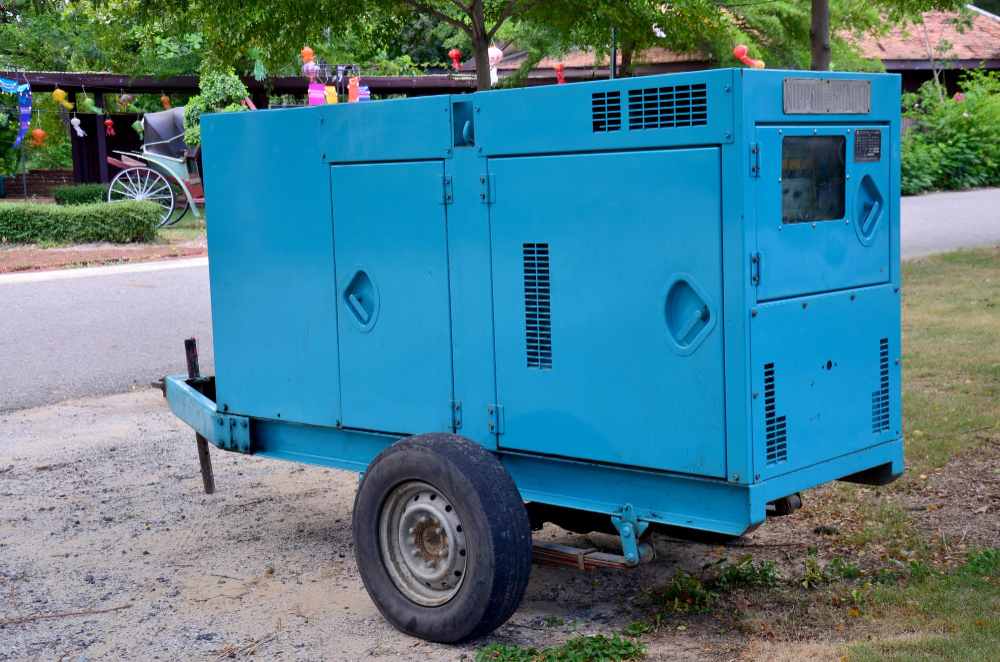
If you have lived in Ithaca long enough, you already know the drill: a winter ice storm rolls in, the lights flicker, and then everything goes dark. The backup generator benefits that once felt like a luxury start looking like common sense when your heat shuts off at midnight and the temperature outside is single digits. For Tompkins County homeowners, a whole-home standby generator is not a status symbol, it is a practical answer to a problem that shows up on a schedule.
Ithaca sits in a part of New York where the weather and the grid conspire against you on a regular basis. Aging infrastructure across the region, lake-effect snow off Cayuga Lake, ice storms, and the occasional summer derecho all create outage conditions that can last well beyond a few hours.
According to the U.S. Energy Information Administration, American electricity customers experienced an average of roughly 11 hours of power interruptions in 2024, up sharply from about 5.5 hours just two years earlier. Homeowners in the Northeast, with older transmission lines and higher storm exposure, often fare worse than the national average.
The decision to install a backup generator is really a decision about what you cannot afford to lose. For some Ithaca homeowners, that is a sump pump in a flood-prone basement. For others, it is the heating system, a refrigerated medication, or a home office that handles client calls.
This guide walks through the real, practical backup generator benefits so you can weigh whether the investment fits your situation, then covers what a professional generator installation in Tompkins County actually looks like.
In this article, you will learn about:
Keep reading to understand exactly what a whole-home generator does for you, and when it pays for itself.
Tompkins County's outage profile is shaped by geography, climate, and infrastructure age. The Finger Lakes region sees significant lake-effect snow events, freezing rain that coats power lines, and ice accumulation that brings trees down on distribution lines across rural routes. That combination produces outages that are not just frequent but extended, and the emergency electrical repair calls that follow an outage confirm how quickly things escalate inside a home when power stays out for more than a day.
The U.S. Department of Energy estimates that power outages cost the U.S. economy between $28 billion and $169 billion annually, a range that reflects how widely the damage varies depending on duration, season, and what systems go offline. For a single household in a cold-weather market like Ithaca, a 48-hour winter outage can trigger thousands of dollars in spoiled food, frozen pipes, emergency hotel stays, and heating repair.
Ithaca and the broader Finger Lakes region are particularly exposed to freezing rain events that build ice on transmission lines and tree branches simultaneously. Ice loading is one of the top causes of sustained outages in the Northeast because the damage is widespread and difficult to repair quickly. A utility crew cannot restore power to a road with downed trees blocking access until those trees are cleared.
That kind of cascading damage means restoration timelines in Tompkins County can stretch to two, three, or even four days during a significant ice event. Portable units help with specific appliances, but a standby system keeps the whole house running regardless of when or how long the outage lasts. Homeowners who have dealt with back-to-back ice events in the same winter know that a generator in Ithaca is not speculative planning, it is a direct response to a documented local pattern.
Much of the U.S. transmission infrastructure was built in the 1960s and 1970s. Upstate New York, including the Finger Lakes region, has distribution lines and equipment that are well into their service lifecycle. Older equipment fails more readily under weather stress, and upgrades take years to complete at the scale required.
Understanding that the grid itself is a variable you cannot control changes the calculus on backup power. A generator does not fix the grid, but it removes the grid from the equation for your household entirely. That is a different kind of electrical safety than what a panel upgrade or rewire provides, but it works in concert with those improvements.
Most people think of backup power as a winter problem, and winter is indeed the higher-stakes season in Ithaca. But summer thunderstorms and derecho wind events knock out power across Tompkins County every year, sometimes for days. With more people working from home and relying on connected systems, a summer outage hits differently than it did twenty years ago.
Food spoilage alone adds up fast. A well-stocked refrigerator and freezer can hold $300 to $800 or more in groceries. A generator that keeps those running during a 36-hour outage is basic loss prevention. Homeowners who have dealt with frequent breaker trips or surge damage after a storm event understand that the grid coming back is not always clean, either.
Backup generator benefits are most visible when you think through the specific systems in your home that fail when the grid does. Not all of them are obvious, and some of the less obvious ones cause the most damage.
Most homeowners understand that an electric furnace or heat pump needs power. What surprises people is that even a gas furnace will not run without electricity, because the igniter, blower motor, thermostat, and controls all require a powered circuit. During a winter outage in Ithaca when temperatures drop below zero overnight, a gas furnace that cannot start is just as useless as one that runs on electricity.
A standby generator restores power to the thermostat and blower circuit automatically, which means your heating system comes back online within seconds of an outage starting. For elderly residents, young children, or anyone without a secondary heating source, that response time is not a minor convenience. Homeowners with smart thermostats or connected thermostat installations particularly notice the difference, since those systems can also monitor and alert once power is restored.
The cruel irony of sump pump failure during storms is that the power goes out at the same time the water is rising. A heavy spring rain or a summer thunderstorm that saturates the ground around a Finger Lakes basement will start pushing water toward the sump pit at the same moment the grid drops.
Battery backup sump pumps exist, but they have limited runtime and capacity. A whole-home generator restores power to the sump pump circuit and keeps it running for as long as the outage lasts, without any intervention from you. It is one of the most straightforward losses to prevent: keep the pump running and you never need the remediation. Homes that have already invested in EV charger installs or other high-draw circuits should confirm those are covered by the generator's load plan as well.
For a meaningful share of households, this is the backup generator benefit that settles the question entirely. Insulin and other temperature-sensitive medications require continuous refrigeration. CPAP machines, oxygen concentrators, and powered mobility devices depend on uninterrupted electricity. A grid outage without backup power is a medical emergency for anyone in that situation.
Even for households without active medical needs, the reliability piece matters in a different way: knowing the house will stay powered removes a significant category of anxiety from every storm forecast. That peace of mind extends to knowing your fire alarm systems and hardwired smoke detectors stay active throughout an outage, since many are wired to the panel with battery backup as secondary rather than primary power.
Many Ithaca-area homes, particularly in rural and semi-rural parts of Tompkins County, rely on well pumps rather than municipal water. A well pump is an electric motor, and it stops the moment power does. That means no running water, no toilets flushing, and no water for cooking or washing for the duration of the outage.
A standby generator covers the well pump circuit along with everything else. This is a particularly important consideration for homes outside the city limits that serve areas like Big Flats, Trumansburg, or Watkins Glen, where municipal water connections are not always available.
The upfront cost of a whole-home generator installation is real. But so is the financial exposure of going without one, and the math shifts considerably once you account for what a generator actually prevents.
A 48-hour outage in winter or summer carries predictable costs. Groceries spoil if the freezer runs more than four hours without power. A family that cannot heat or cool the house typically relocates to a hotel, which adds $100 to $300 per night depending on timing and availability. If a frozen pipe bursts during an outage, the resulting water damage can run into the tens of thousands of dollars for remediation, drywall repair, and flooring replacement.
Set any two or three of those costs side by side and a generator installation starts looking like the cheaper option over a five-to-ten-year ownership window. Homeowners who have already gone through a circuit breaker repair after an outage-related electrical event, or had to replace outdoor lighting damaged when power came back dirty, have already had a preview of what the downstream costs look like.
Backup power has moved from a rural and luxury niche into a mainstream homeowner consideration, particularly in markets with documented outage frequency. A whole-home standby generator adds a quantifiable and marketable feature that buyers increasingly notice, especially as remote work makes uninterrupted home power a practical necessity rather than a preference.
The generator represents permanent infrastructure rather than a depreciating appliance, which means it retains its relevance for the life of the home. Pairing it with a recent electrical panel upgrade tells a clear story to a buyer: this home's electrical infrastructure has been actively maintained.
Some homeowners' insurance policies cover water damage from burst pipes, but the claims process takes time, deductibles apply, and the disruption is significant regardless of reimbursement. A generator that keeps heat running through a multi-day winter outage removes the frozen pipe risk entirely, which means no claim, no deductible, and no contractor working in your walls for two weeks.
That kind of avoided loss is harder to put a number on than food spoilage, but it represents some of the highest-dollar risk a generator prevents. Homeowners in Ithaca and Cortland who have dealt with freeze-related water damage in older homes understand this better than most.
Portable generators get a lot of attention because they are inexpensive to buy. But the backup generator benefits that protect a household during a real outage depend on a system that works without anyone being awake to start it.
A whole-home standby generator connects to your home's electrical panel through an automatic transfer switch. When the grid drops, the transfer switch detects the loss of utility power and signals the generator to start. The sequence takes between 10 and 30 seconds depending on the unit. Once the generator is running, the transfer switch routes generator power to your home's circuits.
You do not have to be awake. You do not have to go outside. You do not have to know the outage is happening. The system handles it, which is the core reason a standby unit outperforms a portable generator in every real-world scenario except cost.
One of the technical reasons a professional installation matters is the transfer switch itself. A generator connected to a home's panel without a proper transfer switch can backfeed electricity into the utility lines, creating a hazard for lineworkers trying to restore power and for neighboring properties.
A licensed electrician installs the transfer switch as part of the generator job, which ensures generator and utility power are properly isolated. This is not optional, it is a safety requirement. It is also why wiring overheating and arc hazards after improper DIY generator hookups appear in the CPSC incident data every year.
Most whole-home standby generators are programmed to run a brief self-test on a weekly or bi-weekly schedule. The generator starts, runs for a few minutes, and confirms all systems are functional. This automatic exercise routine keeps the engine lubricated and surfaces any maintenance needs before an actual outage demands performance.
The generator you install today will be ready five years from now because it has been exercising itself regularly, not sitting cold. Generator maintenance in Watkins Glen and elsewhere in the region follows the same principle: annual service plus automated self-testing means the system is never left to sit through a season untested.
Generator sizing is the most common area where a well-intentioned purchase goes wrong. A generator that is too small will trip itself offline when critical circuits draw more power than the unit can supply. A generator that is significantly oversized costs more upfront and at installation without adding meaningful protection.
Every motor-driven appliance in your home draws significantly more power when it starts than when it is running steadily. A well pump might run on 750 watts but demand 1,500 to 2,000 watts at startup. A central air conditioner can spike to three or four times its running wattage in the first second of operation.
A generator sized only to running watts will trip when two or three motor loads start simultaneously, which is exactly what happens when power restores and everything tries to restart at once. Proper sizing accounts for the largest anticipated surge load, not just steady-state operation.
Here is a practical approach to building a load inventory before you size:
Working through this with an electrician before choosing a unit is the difference between a generator that performs and one that shuts down during the first demand spike.
Some homeowners choose a generator sized for essential circuits only: the well pump, sump pump, heating system, refrigerator, freezer, and basic lighting. This approach reduces upfront cost and allows a smaller unit. A generator sized for whole-home coverage handles everything including HVAC at full load, water heater, and multiple large appliances simultaneously.
The right choice depends on what your household genuinely needs during an outage and what you want to spend. A home electrical inspection gives you an accurate picture of your panel's current load distribution before you commit to a unit size, and it surfaces any capacity issues that should be addressed before the generator goes in.
Homes in Tompkins County with electrical panels that are approaching the end of their service life should address panel condition before or alongside the generator installation. A standby generator tied to a panel with worn breakers or insufficient capacity creates a situation where the panel becomes the weak link in the system you just invested in.
Electrical panel installation and generator work are often scheduled together for this reason. The panel assessment that happens during a generator site visit frequently uncovers capacity or condition issues worth addressing in the same project.
A generator installation is not a one-afternoon job, but it is a well-defined process with clear milestones. Knowing what to expect helps you plan for timing and coordinate with your electrician efficiently.
Before any equipment is ordered, a licensed electrician visits the property to assess the main panel, identify the best generator placement, and calculate the load requirements for the coverage level you want. This visit also confirms the fuel connection point and any site-specific factors, such as setback requirements from windows, doors, or the gas meter.
The load calculation from this visit drives the generator recommendation. An honest local electrical company will give you a clear picture of what size unit serves your household rather than upsizing for margin. That same assessment often uncovers electrical panel maintenance needs that are worth addressing before the generator goes online.
Generator installations in Ithaca and Tompkins County require an electrical permit, and many installations also require a plumbing or gas permit depending on the fuel connection involved. A licensed electrical contractor handles permit applications and schedules the required inspections, which means you do not have to navigate that process yourself.
Unpermitted generator installations are a problem at resale and can create coverage complications with homeowners' insurance. Permits are documentation that the installation meets code and has been inspected by a qualified authority. If a question ever arises about coverage after an incident, a permitted installation with an inspection record is the cleanest possible position to be in. Taking steps to prevent electrical hazards before storm season is part of the same discipline.
Once equipment is on-site and permits are in hand, the physical installation typically takes a full day for a straightforward residential job: setting the generator on a concrete pad, running the fuel line, installing the transfer switch at the panel, and connecting the electrical circuits. Complex installations with significant panel work or longer fuel runs may take a second day.
After installation, the electrician commissions the system, programs the exercise schedule, and confirms that the automatic transfer switch performs correctly under a simulated outage condition. That final test is the confirmation that the system will do its job when the actual event arrives. Any electrical outlet repair or circuit work identified during the site visit gets handled in the same project window if both sides agree to scope it that way.
Whole-home standby generators require annual servicing, much like a car. An oil change, air filter replacement, spark plug inspection, and battery check keep the engine in condition. The automated self-test handles regular exercise, but the annual service call confirms that wear items are in good shape before the high-demand season arrives.
Most Tompkins County homeowners schedule generator maintenance in the fall before the first significant ice storm threat. Generator maintenance aligns naturally with fall electrical checkups: the same visit that looks at the generator can include a review of lighting and wiring that may have been affected by the previous winter's events. Pairing both keeps you from heading into the cold season with any unresolved electrical issues.
The backup generator benefits for Ithaca homeowners come down to one thing: removing the grid from the list of things that can derail your household. When the lights go out at midnight during a January ice storm, a standby generator does not require you to do anything. It handles the transfer automatically, keeps your heat running, protects your sump pump and well pump, and makes the outage a minor inconvenience instead of a household emergency.
Tompkins County's outage history, aging regional infrastructure, and cold-climate risk profile make backup power a genuinely practical investment, not a luxury add-on. Whether your primary concern is frozen pipes, refrigerated medication, remote work continuity, or simply knowing the house will hold through whatever the weather brings, a professionally installed standby generator delivers that reliability.
Pleasant Valley Electric has been installing and servicing generators across Ithaca, Tompkins County, and the surrounding area since 1983. Contact us to schedule a site assessment and load calculation for your home.
Whether you are dealing with flickering lights, outdated wiring, breaker problems, or planning a larger electrical upgrade, Pleasant Valley Electric is here to help. Our licensed electricians provide dependable service, honest recommendations, and fast response times throughout Ithaca and surrounding communities.
We call you back within 30 minutes during business hours.