4.9-Star Rated
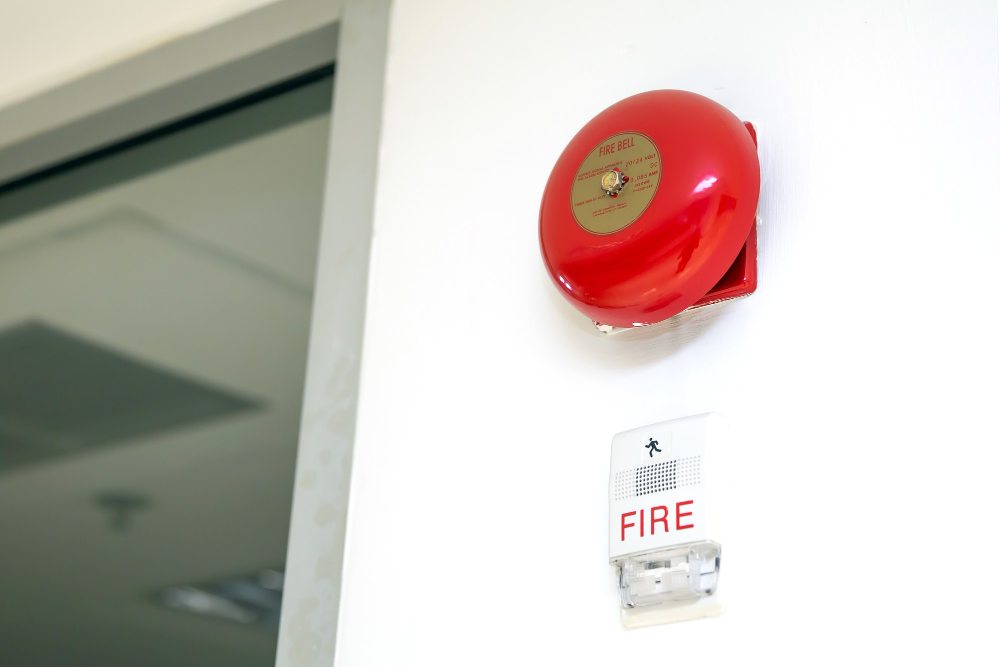
Commercial fire alarm warning signs are easy to rationalize away. The panel shows a trouble light, but the system tested fine last month. A detector keeps triggering false alarms, but nothing has caught fire. The monitoring company calls occasionally with faults, but the building manager resets them and moves on. That pattern of deferred attention is precisely how a life safety system that appears functional becomes one that fails when it matters most.
According to the National Fire Protection Association, U.S. fire departments responded to an estimated 1,389,000 fires in 2023, with unintentional fires in office properties alone causing over $881 million in property damage that year. A significant share of commercial fire losses involve situations where the alarm system was present but performed poorly, whether due to deferred maintenance, code violations, or components that had long since passed their service life without replacement.
Tompkins County businesses face the same risks as any commercial property owner, with the added consideration that many buildings in the Ithaca area are older structures where fire alarm infrastructure may be original to a renovation done decades ago. This guide covers the specific warning signs that indicate a commercial fire alarm system needs professional attention, organized by where the problem typically shows itself.
In this article, you will learn about:
Keep reading to understand what each warning sign means practically, and what the right response looks like for a Tompkins County commercial property.
The fire alarm control panel is the brain of the system. It collects status signals from every device on every circuit, processes them, and communicates what it knows through indicator lights, display codes, and audible signals. When something in the system is wrong, the panel is usually the first place it shows.
Most commercial building staff are trained to silence trouble alerts and move on. That response is understandable when a trouble signal interrupts a busy morning and nothing appears obviously wrong. It is also one of the most common ways a serious system deficiency goes unaddressed until a fire marshal's inspection or, worse, an actual fire surfaces the problem.
A trouble condition on a fire alarm panel is not a nuisance notification. It is the system reporting that something in its monitored infrastructure has failed, gone out of range, or is operating outside normal parameters. Common trouble conditions include:
Each of these requires investigation and documentation, not a reset button. Under NFPA 72, the National Fire Alarm and Signaling Code, trouble conditions must be investigated and corrected, and the corrections must be documented. A panel that accumulates unresolved trouble logs is a panel that will fail an inspection and may void a property insurance claim if a fire occurs.
Older fire alarm control panels sometimes begin spontaneously resetting, losing their programmed settings, or failing to retain trouble logs. These behaviors indicate that the panel's power supply, battery backup, or internal memory components have degraded to a point where the system is no longer reliable. The panel may appear to be functioning normally between events while quietly losing the ability to respond correctly under load.
Control panels have rated service lives, and in a region like Tompkins County where many commercial buildings have not had major electrical renovations in fifteen to twenty years, it is worth confirming when the current panel was last replaced or recertified. A licensed electrician conducting a home electrical inspection on a commercial property can identify a panel that is operating on borrowed time before it fails at a critical moment.
Commercial fire alarm systems include battery backup designed to maintain system operation through a power outage. NFPA 72 requires that the backup capacity support the system for a defined period depending on the building's occupancy type. Batteries degrade over time, and a battery that tests at acceptable voltage under no load may fail within minutes under the actual current draw of an active system.
Battery warning indicators on the panel are an obvious signal. Less obvious is a battery that has never triggered a warning but is four to six years old. Best practice under NFPA 72 is replacing commercial fire alarm batteries on a scheduled interval rather than waiting for a failure indication. A local electrical company familiar with Tompkins County's commercial building stock can identify systems where battery maintenance has been deferred.
The control panel reflects system-level health. But the detection reliability of the system depends on the individual devices distributed throughout the building, and those devices fail, degrade, and drift in ways that do not always register on the panel until the problem is severe.
A smoke detector that has accumulated dust, been painted over during a renovation, or drifted outside its sensitivity range may still pass a panel self-test while being largely ineffective at detecting actual smoke. The same is true for heat detectors with corroded terminals and pull stations with physical obstructions blocking access. These are the conditions that cause commercial fire alarm systems to fail in actual fire events even when a recent inspection found no panel faults.
One of the most common fire alarm deficiencies found during commercial inspections in older Tompkins County buildings is smoke detectors that were painted over during interior renovations. Paint inside the sensing chamber fundamentally changes the detector's sensitivity, often reducing it to a point where the device cannot detect smoke at levels that should trigger an alarm.
Other physical conditions that compromise detector function include:
Any of these conditions is grounds for device replacement, not recleaning. A detector that has been compromised once should be verified against manufacturer specifications before being returned to service. A licensed electrician handling electrical repairs in a commercial space will note these conditions as part of any broader electrical assessment.
Manual pull stations are the human-initiated component of a commercial fire alarm system. They depend on being accessible, unobstructed, and physically functional. In working commercial buildings, they are frequently blocked by equipment, furniture, merchandise, or renovation materials without anyone deliberately planning the obstruction.
A pull station that cannot be reached within seconds during an emergency is a pull station that will not be used. NFPA 72 and the International Fire Code require pull stations at building exits and along paths of egress. A walk through any active commercial space in Tompkins County will occasionally reveal a station that has been functionally blocked without the building operator realizing the compliance gap that has been created.
Physical damage to pull stations, including cracked covers, missing glass elements, or visible corrosion around the activation handle, are signs that the device needs replacement. A damaged station may activate correctly in testing but fail under the stress of an actual emergency use.
Heat detectors in commercial kitchens, mechanical rooms, and other high-temperature or high-particulate environments have rated service lives that are often shorter than smoke detectors installed in office areas. A heat detector in a restaurant kitchen or a laundry facility in a Tompkins County hotel may be well past its replacement interval without anyone having tracked the installation date.
Signs that heat detectors warrant replacement or testing include:
NFPA 72 Chapter 14 specifies inspection, testing, and maintenance intervals for each device type. A licensed electrician who works on commercial fire alarm systems in Tompkins County will know which device types in which building environments require more frequent attention.
A fire alarm system that detects a fire but cannot communicate that detection to a monitoring station or the fire department is a system that has lost its most critical function. Commercial buildings in New York are generally required to have supervised monitoring connections, meaning the system actively verifies its communication path and triggers a trouble signal if that path fails. But a trouble signal that gets reset without investigation is a failed communication path that looks fine from the panel.
Monitoring communication failures are one of the most serious and most underreported fire alarm deficiencies in commercial buildings. They do not affect how the notification devices inside the building operate, which is why they can persist without staff noticing that the building is no longer being monitored.
A healthy monitoring relationship involves periodic communication: test signals, maintenance confirmations, and occasional trouble notifications when something in the system changes. If a Tompkins County business owner or property manager cannot remember the last time the monitoring station called, or has no record of test confirmations in the past year, the monitoring connection may have been silently failing.
A test that involves deliberately triggering the panel and confirming the monitoring station received the signal takes about ten minutes and immediately confirms whether the communication path is intact. Many commercial buildings skip this step entirely between annual inspections, which means a communication failure can persist for months. The same proactive mindset that pushes businesses to prevent electrical hazards before they develop applies directly to fire alarm monitoring gaps.
Many commercial fire alarm systems in Tompkins County were originally installed with phone-line communicators that relied on traditional copper POTS lines. As telephone infrastructure has shifted and POTS service has been discontinued in many areas, these communicators have been left on systems without replacement, creating a situation where the system believes it is communicating but the signal has nowhere to go.
Replacement with cellular or IP communicators that use current transmission paths is the correct resolution. This is a common upgrade need in older Ithaca-area commercial buildings and is frequently identified during inspections that have not been done since the copper telephone infrastructure changed. The physical upgrade is straightforward; identifying that it is needed requires someone with current knowledge of what the system is actually doing.
NFPA 72 requires annual inspection and testing of commercial fire alarm systems, with specific components requiring more frequent testing. Documentation of those inspections must be retained and available for review by the authority having jurisdiction, the insurance carrier, and the fire marshal.
A commercial property in Tompkins County that cannot produce inspection records for the past year is in a compliance gap regardless of how the system appeared to be operating. More directly, a fire that occurs in a building where inspection documentation has lapsed creates an insurance exposure. Commercial property insurers routinely require demonstrated NFPA 72 compliance as a policy condition, and a documented gap can shift liability in ways that a property owner is rarely prepared for. The electrical safety inspection habits that apply to a building's general electrical infrastructure apply equally to the fire alarm system.
Beyond the physical conditions of detectors and panels, commercial fire alarm systems can be fully operational as installed but out of compliance with current code requirements. Code editions change, building uses change, occupancy levels change, and renovations alter the spatial conditions that detection coverage was originally designed around. A system that passed inspection in 2015 may have compliance gaps today that have nothing to do with whether individual components are functioning.
This is the category of fire alarm warning sign that most business owners do not think about until a fire marshal's inspection flags a violation, or until a renovation permit triggers a code review that surfaces requirements the existing system does not meet.
The detection coverage of a commercial fire alarm system is designed around the building's layout at the time of installation. When walls are added, rooms are subdivided, storage configurations change, or new occupancy areas are created, the original detector placement may no longer provide required coverage density under NFPA 72.
Common renovation-related compliance gaps in Tompkins County commercial buildings include:
A fire alarm inspection that reviews the system against current building layout, rather than simply testing devices as installed, will surface these gaps. The distinction matters because device-level testing confirms that a detector works, not that it is in the right place.
NFPA 72 requirements for audible and visual notification have evolved over successive code editions, with stricter requirements for visual strobes in areas accessible to the public and in spaces above a defined sound level threshold. Many commercial systems in older Tompkins County buildings were installed when these requirements were less stringent, and those systems may now have areas where notification coverage does not meet current code.
Specific gaps to look for include:
These are not hypothetical failures. They are the conditions that cause a fire to develop further before building occupants are notified, and they are the conditions that a fire marshal or insurance investigator will document after a loss event. Many of the same buildings that carry notification coverage gaps also carry wiring overheating conditions in older circuits that increase fire risk in the first place.
Some commercial fire alarm systems in Tompkins County have reached a point where the accumulation of deferred maintenance, outdated components, and compliance gaps makes repair a poor value relative to replacement. Signs that a system has crossed that threshold include:
A system replacement project in a commercial building involves a licensed electrician, a fire alarm system designer, and coordination with the local authority having jurisdiction. The electrical panel and building lighting and wiring infrastructure are typically evaluated in the same project, since a system replacement is an opportunity to address any underlying electrical conditions that affect the new system's performance. Getting that assessment done proactively, rather than after a failed inspection, keeps the business operating without an interruption.
Commercial fire alarm warning signs are not dramatic events. They are persistent trouble lights, missed monitoring confirmations, a detector that was painted over during a renovation three years ago, and inspection documentation that has not been updated since the previous fire marshal visit. In Tompkins County's commercial building stock, where many structures carry decades of accumulated systems and deferred maintenance, these conditions are common enough that every business owner should know what to look for.
The cost of addressing these warning signs proactively is modest compared to the cost of a failed inspection, a denied insurance claim, or a fire event in a building whose life safety system was not operating as intended. NFPA 72 compliance is not a bureaucratic formality. It is the documented standard that separates a fire alarm system that protects a building from one that just occupies wall space inside it.
Pleasant Valley Electric has been installing, inspecting, and servicing commercial fire alarm systems across Ithaca, Tompkins County, and the surrounding area since 1983. Contact us to schedule a commercial fire alarm assessment for your building.
Whether you are dealing with flickering lights, outdated wiring, breaker problems, or planning a larger electrical upgrade, Pleasant Valley Electric is here to help. Our licensed electricians provide dependable service, honest recommendations, and fast response times throughout Ithaca and surrounding communities.
We call you back within 30 minutes during business hours.