4.9-Star Rated
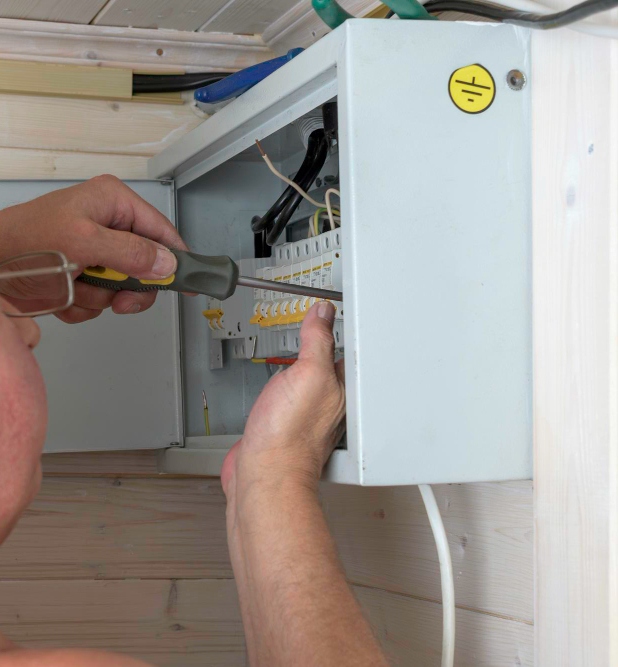
Electrical inspection benefits in Corning homes are not just about passing a sale, insurance request, or renovation checkpoint. A good inspection gives you a plain-English picture of how safely your panel, wiring, outlets, breakers, grounding, and safety devices are handling everyday life.
That matters in Corning because homes here do not all age the same way. A house near the Gaffer District, a Cape Cod off Denison Parkway, a rental property, and a newer build on the edge of town can each hide different electrical concerns behind normal-looking walls.
The goal is not to scare you into replacing everything. The real value is knowing what is safe, what is wearing out, what no longer fits your household's electrical demand, and what should be handled before it becomes an emergency.
Pleasant Valley Electric serves Corning as part of its Finger Lakes and Southern Tier service territory, with licensed electricians who handle electrical repairs, panels, wiring, generators, fire alarms, and related work for homes and businesses. An inspection gives you a practical starting point before you spend money on repairs or upgrades.
In this article, you will learn about:
Keep reading to see how a careful inspection turns electrical guesswork into a safer plan for your home.
Electrical problems rarely announce themselves in a neat, convenient way. More often, they show up as a warm outlet, a breaker that trips only when the microwave and space heater run together, or lights that flicker just enough to make you wonder if you imagined it.
An inspection puts those small signals in context. Instead of reacting to one symptom at a time, you get a broader look at the electrical system that supports the whole house. That broader view is why a safety visit can do more than a one-off repair.
A single tripped breaker does not always mean your home has a major issue. Repeated tripping, heat, buzzing, burning odors, discoloration around outlets, and lights dimming across several rooms deserve a closer look because they may involve overloaded circuits, loose connections, or deteriorated wiring.
The U.S. Fire Administration reported that residential electrical malfunction fires caused an estimated 23,700 fires, 305 deaths, 800 injuries, and about $1.5 billion in property loss in 2023. An inspection cannot remove every risk, but it helps identify conditions that should not be ignored.
Common warning signs worth mentioning before an inspection include:
After those symptoms are documented, the electrician can separate immediate hazards from improvements that can be planned over time. That distinction matters when you are trying to make smart decisions without turning a routine visit into an open-ended project.
Corning has a compact housing market with many long-used residential properties. The U.S. Census Bureau estimates 5,339 households in Corning for 2020-2024, which means a large amount of daily electrical demand is concentrated in a small city footprint.
In practical terms, older homes often carry decades of electrical decisions. One owner may have added window AC circuits, another may have finished a basement, another may have changed fixtures, and another may have added outdoor power without a full system review.
That layered history is why a professional inspection is helpful even when nothing is actively failing. Pleasant Valley's guidance on home electrical inspection panels speaks to the same idea: the panel often tells you more about the home than one outlet or fixture can.
When the inspection happens before a renovation, sale, or major appliance addition, you can budget for electrical work instead of discovering it halfway through a project. That is a much calmer way to deal with older wiring and changing household demand.
Electrical emergencies tend to force fast decisions. If half the house loses power, a panel smells hot, or an outlet sparks, the priority becomes making the situation safe immediately.
That is very different from reviewing inspection findings on a normal day, when you can ask questions, compare priorities, and decide what should happen first. Pleasant Valley's 24-hour service is there when urgent issues happen, but preventive inspections help homeowners avoid reaching that point whenever possible.
A good inspection can clarify which issues need prompt repair, which upgrades are safety-related, which findings are code updates for future projects, and which conditions should be monitored during seasonal load changes. That ranking is one of the most practical benefits of inspection work.
You are not left with a vague list of fears. You get a clearer path from current condition to safer performance, which is also the reason regular maintenance is so closely tied to avoiding electrical emergencies in Corning.
A home electrical inspection is not just a quick glance at the breaker box. The electrician is looking for how the system behaves as a whole, including the panel, branch circuits, grounding, outlets, fixtures, devices, and visible wiring conditions.
The best inspections also connect the technical findings to how you actually use the home. A circuit may look acceptable on paper but struggle in real life if it now serves a home office, freezer, portable heater, and entertainment setup that were never part of the original plan.
Your electrical panel is the control center for the house. During an inspection, the electrician looks at breaker condition, labeling, signs of overheating, corrosion, double-tapped conductors, grounding and bonding, available capacity, and whether the panel still fits the home's needs.
If the panel is outdated, overloaded, or poorly modified, the inspection may point toward electrical panel upgrades. That does not always mean immediate replacement, but it does mean the panel deserves a professional recommendation instead of guesswork.
Panel concerns often include:
After the panel review, the electrician can explain whether the issue is safety, capacity, age, workmanship, or future readiness. Those are different problems, and they should not be treated as the same recommendation.
Outlets and switches take constant use, so they often reveal problems homeowners can feel before they understand the cause. Loose receptacles, reversed polarity, missing covers, painted-over devices, ungrounded outlets, or failed GFCI protection can all change the risk profile of a room.
The Consumer Product Safety Commission explains that a GFCI can shut off power when current differs by as little as 0.006 amperes, which is why these devices matter around kitchens, bathrooms, laundry areas, garages, basements, and outdoor spaces. During an inspection, testing confirms whether that protection is actually working.
An inspection also checks whether visible outlet problems are isolated or part of a larger repair need. If a device is cracked, loose, sparking, or unreliable, a targeted electrical outlet repair service may be enough, but the wiring behind that outlet still needs to be evaluated safely.
Once those devices are checked, you know whether the visible parts of the system are doing their job. That is especially helpful in homes where outlets were replaced for appearance without correcting the wiring behind them.
Wiring issues are often hidden until a fixture is removed, a device is opened, or a circuit is tested. An inspection can identify visible warning signs and recommend deeper troubleshooting where conditions suggest a problem behind the wall.
For homes with older branch circuits, renovation history, or unreliable lighting, Pleasant Valley's lighting and wiring work can connect inspection findings to practical repairs. The point is not to open walls without reason. It is to know when the evidence supports a closer look.
This is especially important when the symptom is heat, dimming, or a breaker that trips only under certain loads. Those conditions may connect to electrical wiring overheating symptoms, even if the problem is happening quietly behind a device, fixture, or junction box.
Those details may sound small, but they determine whether electricity is traveling through the home safely. An inspection gives you a chance to fix weak points before they damage devices, trip breakers constantly, or create heat where you cannot see it.
Many homeowners schedule inspections only when something feels wrong. That is understandable, but inspections are often most valuable before you commit to a purchase, upgrade, renovation, or seasonal power plan.
When the electrical system is evaluated early, you can make decisions with fewer surprises. That is where inspections often save the most money, not by avoiding every repair, but by helping you avoid rushed, layered, or duplicated work.
Kitchen, bath, basement, and garage projects can all change how a home uses electricity. New appliances, dedicated circuits, recessed lighting, ventilation, sump pumps, power tools, and home office equipment may push older wiring beyond what it was designed to support.
In New York, the U.S. Energy Information Administration reported that residential customers averaged 571 kWh of electricity use per month in 2024, with an average price of 24.43 cents per kWh. When usage patterns rise because of new equipment, an inspection helps confirm whether the panel and circuits can handle the change safely.
Before renovation work begins, an inspection can help identify:
After that review, the electrical scope can be built into the project instead of becoming an expensive interruption. That is especially important when walls, ceilings, or cabinets are already open.
Generators and EV chargers are useful upgrades, but both depend on the condition and capacity of the existing electrical system. Installing either one without a proper inspection can expose panel limitations, grounding concerns, or load issues late in the process.
For backup power, a pre-installation inspection helps determine whether generator installation should include transfer equipment, circuit prioritization, panel work, or related repairs. For EV charging, the inspection confirms whether the panel can support the charger load and where the safest wiring path should run.
If the panel is already close to its limit, the inspection may connect the project to an electrical panel upgrade in Corning, NY instead of treating the charger, generator, and panel as separate decisions. That helps prevent a piecemeal plan that costs more in the long run.
Once those factors are known, the installation can be designed around the home you actually have. That makes the project safer and reduces the chance of needing redesign after equipment has already been selected.
Some electrical issues look minor until they repeat. A breaker that trips every few weeks, a light that flickers in damp weather, or an outlet that only works when the plug is angled can all point to a weak connection or overloaded circuit.
The Electrical Safety Foundation International notes that the Consumer Product Safety Commission estimates proper AFCI protection could prevent 50% of home electrical fires related to certain electrical malfunctions. Inspection gives the electrician a chance to identify where modern protective devices are missing, failed, or incorrectly installed.
Homeowners often notice active symptoms before they know the cause. A pattern of breaker trips may require circuit breaker repair service, while visible sparking should be treated more urgently and evaluated as a possible repair or safety hazard.
The benefit is not just fixing the symptom. It is understanding whether the symptom is isolated or part of a larger pattern that needs a safer repair plan.
An inspection report should not feel like a mystery. The best outcome is a practical explanation of what was found, why it matters, and what order of work makes sense for your home.
That is where Pleasant Valley's style fits the job well. Their site emphasizes straight answers, clear estimates, licensed work, and testing before sign-off, which is exactly what homeowners need after an inspection turns up more than one possible next step.
Not every inspection finding carries the same urgency. A missing panel label is not the same as heat damage. An older outlet is not the same as an ungrounded outlet near water. A small code update for a future remodel is not the same as an active hazard.
Ranking findings gives you a repair path that matches real risk. It also helps you avoid spending money on cosmetic electrical updates while more important safety issues remain unresolved.
A useful priority list separates items into:
Once priorities are clear, you can make informed decisions without feeling pushed into every possible upgrade at once. That is one of the most homeowner-friendly inspection benefits, and it is also why a practical electrical safety inspection checklist should lead to priorities, not panic.
Electrical safety standards have changed over time because homes use power differently now. GFCI protection, AFCI protection, tamper-resistant receptacles, smoke and carbon monoxide detection, and proper outdoor wiring all matter more as electrical demand grows.
If an inspection finds missing or aging protection, the next step may involve outlet replacement, breaker upgrades, wiring correction, or coordination with fire alarm systems where detection equipment is part of the home's safety plan. The recommendation should match the condition, not a generic checklist.
For properties with life-safety equipment, inspection timing can also overlap with fire alarm inspection benefits in Corning, especially when the home or mixed-use property has interconnected detection equipment. Electrical safety works best when power, wiring, alarms, and devices are evaluated as parts of the same system.
These updates make the home safer in ways you can actually use every day. They also help reduce uncertainty when you later sell, remodel, or add electrical equipment.
Many inspections lead to a bigger realization: the home may be safe enough today but poorly prepared for what the household wants next. That might mean a finished basement, heat pump equipment, workshop tools, EV charging, or better exterior lighting.
If an EV charger is on your future list, an inspection can tell you whether EV charger installation is a straightforward circuit addition or a project that should be paired with panel work. That answer is far better to have before you buy equipment or commit to a vehicle timeline.
The same planning mindset applies to backup power. A homeowner reviewing generator maintenance in Corning, for example, still needs the same basic questions answered: is the circuit protected, is the transfer equipment safe, and does the panel support the home's actual load?
That is the quiet value of an inspection. It helps your home support what you do now and what you are likely to need next, with fewer surprises along the way.
Electrical inspections are useful because they bring hidden conditions into the open. You do not have to guess whether a breaker is simply worn, whether an outlet is just loose, or whether your panel has enough room for the next upgrade.
For Corning homeowners, that clarity is especially valuable before renovation work, generator planning, EV charging, property sale, or any situation where small electrical questions could become expensive surprises. A licensed inspection gives you a safer path forward, whether the answer is a simple repair or a larger upgrade plan.
You should never feel like you need to diagnose electrical risks on your own. If something seems off, or if your home has not had a professional electrical review in years, an inspection can help you understand what is happening and what should happen next.
For a licensed electrical inspection, repair recommendation, or safety-focused upgrade plan in Corning, contact Pleasant Valley Electric. Their team can inspect the issue, explain the findings clearly, and help you decide the safest next step for your home.
Whether you are dealing with flickering lights, outdated wiring, breaker problems, or planning a larger electrical upgrade, Pleasant Valley Electric is here to help. Our licensed electricians provide dependable service, honest recommendations, and fast response times throughout Ithaca and surrounding communities.
We call you back within 30 minutes during business hours.